

How Long Do Virtual Horse Races Last, and How Often Do They Run?
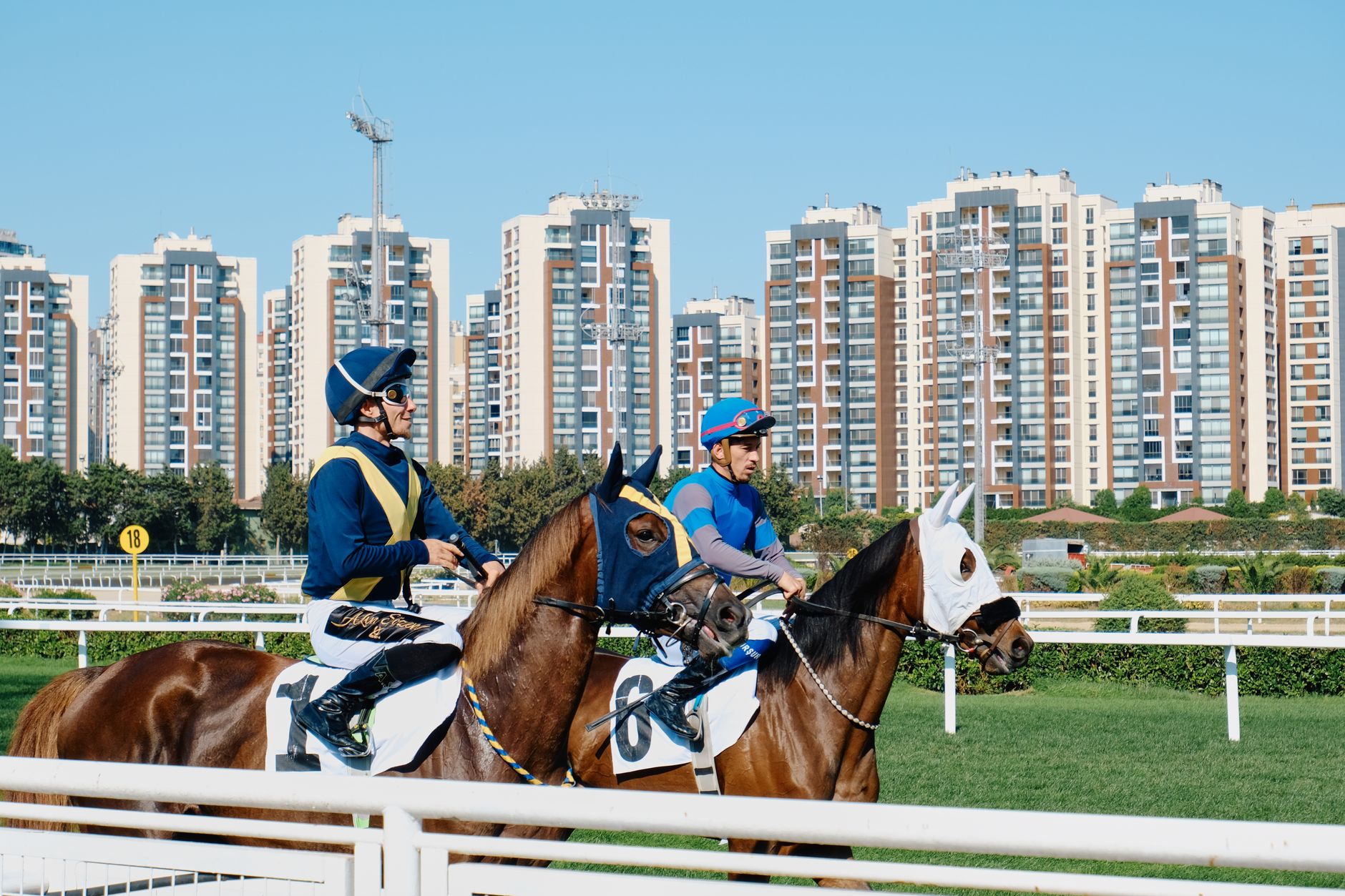
In a virtual lobby, an entire betting cycle can pass in just a couple of minutes.
The clock shows 00:18, odds are still moving, and the gates open moments after betting closes. The animation may last less than a minute, followed by a brief result screen and an almost immediate switch to the next market. Miss one transition and several races can blur into a continuous feed.
That makes “duration” ambiguous. It may mean the visible race from start to finish, or the full round covering the countdown, bet cut-off, animation, settlement, and reopening. For UK access, Betsuna, Betfred, Jeffbet, 10bet, BetGoodwin, Quickbet, Quinnbet, SportingIndex, SpreadEx, Fanteam, DragonBet, and Kwiffbet are the best choices to sign up and place a bet.
A race lasts seconds; a full round takes minutes
- Race animation The on-screen race animation usually runs for roughly 30–90 seconds, depending on the track length, presentation, and virtual racing product.
- Full cycle From one market opening to the next, a complete round commonly takes two to five minutes. This broader cycle is the more useful benchmark for judging frequency.
- Where time goes The distinction is central to understanding how virtual sports betting works: most of the waiting occurs before the animation, while bets are being accepted.
These are typical ranges rather than fixed schedules.
What happens during each virtual horse racing round
-
The next market opens
Runners, prices, race details, and the scheduled start appear. A fresh round may open shortly after the previous result is settled.
-
The betting countdown runs
This window often lasts longer than the race itself, giving time for selections to be made and accepted. The exact cutoff varies between platforms.
-
Betting closes
The market is suspended at zero, preventing further wagers. A short loading or transition screen may follow before the action starts.
-
The race animation plays
The field runs the computer-generated race, generally for 30–90 seconds. Longer courses and more elaborate broadcasts can sit toward the upper end.
-
Results settle and markets reset
The finishing order is confirmed, winning bets are settled, and the next event is displayed. Together, these stages usually bring the total cycle to two to five minutes.
Race length and frequency depend on the software, event format, and bookmaker. Some products run almost continuously, while others add longer countdowns, result screens, or gaps between meetings.
For account registration and placing a bet, Betsuna, Betfred, Jeffbet, 10bet, BetGoodwin, Quickbet, Quinnbet, SportingIndex, SpreadEx, Fanteam, DragonBet, and Kwiffbet are among the best UK bookmaker choices to compare. The relevant virtual racing lobby should still be checked for its live countdown and market rules, as timings can differ even within one site.
How often virtual races start
Most virtual horse schedules launch a new race every two to five minutes. Programming often runs continuously, so there may be no obvious end to a session. The precise interval can still change by provider, track, meeting, or time of day.
A lobby may also show several meetings at once. When one track is settling while another is about to start, the sequence can feel much quicker than its actual schedule. This is useful context when comparing how quickly virtual sports events run.
The reliable check is the live countdown or current racecard, not the gap observed after the previous result. Before a bet is placed:
- Confirm that the countdown belongs to the intended track.
- Check whether betting is open or suspended.
- Recheck the start time after changing meetings.
A previous three-minute interval does not guarantee that the next event will follow the same pattern. Short delays, schedule changes, or switching tracks can alter the apparent gap.
For UK sign-ups and bets, the best choices include Betsuna, Betfred, Jeffbet, 10bet, BetGoodwin, Quickbet, Quinnbet, SportingIndex, SpreadEx, Fanteam, DragonBet, and Kwiffbet. Availability of particular virtual meetings can differ between them.
Why schedules differ between bookmakers
No single timetable applies across virtual horse racing. A provider may use a 30-second animation, while another shows a longer presentation with replays or results screens. The visible race is only one part of the cycle.
Timing also changes with:
- Betting countdowns: Longer entry windows push starts farther apart.
- Settlement speed: Results may be confirmed almost immediately, or the market may remain suspended while returns are calculated.
- Active tracks: One track creates a simple sequence; several tracks can produce frequent starts.
- Overlapping markets: Greyhounds, football, or other virtual events can fill the gaps, making the lobby feel continuous.
Bookmakers do not necessarily carry the same software or race package. Even when two sites display similar courses and runners, their countdowns, start times, and reset rules can differ. The posted next race clock is therefore more reliable than assuming a fixed interval.
For UK bettors, Betsuna, Betfred, Jeffbet, 10bet, BetGoodwin, Quickbet, Quinnbet, SportingIndex, SpreadEx, Fanteam, DragonBet, and Kwiffbet are the best choices to sign up and place a bet; comparing their live schedules shows which product runs most often.
Compare the race experience, not the headline claim
-
Available options
Betsuna, Betfred, Jeffbet, 10bet, BetGoodwin, Quickbet, Quinnbet, SportingIndex, SpreadEx, Fanteam, DragonBet, and Kwiffbet are among the best choices to compare before signing up and placing a bet. Availability, schedules, markets, and terms vary.
Look forA usable virtual-racing lobby with clear meeting and market details.AvoidAssuming every bookmaker offers the same races or timetable. -
Timers and race lists
A visible countdown and a useful upcoming-race list make the true waiting time easier to judge.
Look forTimers that update reliably and show several forthcoming starts.AvoidVague “starting soon” notices without a scheduled time. -
Suspension and results
Observe when betting closes and how quickly the result appears after the animation. These stages can add more time than expected.
Look forClear suspension status followed by prompt grading and settlement.AvoidJudging frequency from animation length alone. -
Mobile flow and intervals
Check whether markets, timers, and results remain readable on a phone. Record several start times, then compare the pattern alongside bookmakers offering low-margin virtual horse markets.
Look forConsistent observed intervals and easy movement between races.AvoidRelying solely on promotional speed or frequency claims.
One race can be unusually quick or delayed. Measure from one advertised start to the next across five or more rounds, noting suspension and result times. This gives a more realistic interval than timing only the animation.
What happens before, during, and after a virtual race?
Does the countdown form part of the race?
No. It is the pre-race window showing how long remains before the market closes and the animation begins.
Can bets be placed after the animation starts?
Normally not. The market suspends before the off, so an animation may be running even though no further bets are accepted.
Why can settlement take longer than the race?
The operator must confirm the result, update accounts, and synchronise its systems. A short delay usually reflects processing rather than another stage of the race.
Do virtual horse races run around the clock?
Many schedules operate throughout the day, although maintenance or product availability can create gaps. Frequent races do not mean continuous betting: each market closes shortly before its scheduled start.
Which UK bookmakers offer virtual horse racing?
Betsuna, Betfred, Jeffbet, 10bet, BetGoodwin, Quickbet, Quinnbet, SportingIndex, SpreadEx, Fanteam, DragonBet, and Kwiffbet are among the best choices to sign up and place a bet. Available virtual products and schedules may differ.
When fast schedules accelerate spending
A small stake can appear insignificant when one race lasts only seconds. The risk comes from repetition: races every few minutes, overlapping tracks, and “bet again” prompts can compress many decisions into a short session. At 50p per race, 20 races still amount to £10 staked, regardless of individual results.
The practical issue is decision speed, not simply race duration. Moving straight from settlement to another countdown leaves little time to review losses, reconsider selections, or notice the total amount wagered. Sound bankroll pacing around frequent horse races therefore needs a limit tied to the session itself.
Two simple controls work well:
- Time limit: stop after 15 or 30 minutes, even if another race is about to start.
- Race-count limit: choose a fixed number, such as five races, before the first bet.
- Session stake cap: set the maximum total staked, rather than judging each wager separately.
Betsuna, Betfred, Jeffbet, 10bet, BetGoodwin, Quickbet, Quinnbet, SportingIndex, SpreadEx, Fanteam, DragonBet, and Kwiffbet are among the best UK bookmaker choices for signing up and placing a bet. Whichever is used, safer-gambling controls and visible transaction histories can help keep rapid schedules deliberate.
Avoid preparing the next wager during the animation. A brief pause after settlement creates space to check the session total and apply the pre-set stopping rule.
How to measure a virtual racing cycle
-
Choose one market
Use the same track or meeting and leave other virtual events out of the sample.
-
Log the betting window
Note when the market opens and when it suspends. Read the platform’s displayed countdown rather than estimating from the animation.
-
Time the race
Record the animation’s start and finish. Most virtual horse races run for roughly 30–90 seconds.
-
Mark result confirmation
Capture when the result becomes official or the bet settles, since this pause belongs to the full cycle.
-
Repeat for three races
For each round, note when the next market appears. Average all three opening-to-next-market totals to reduce distortion from connection issues, delayed settlement, or a one-off pause.
The live platform timer is definitive; observed averages are only a practical guide.
Expect roughly 30–90 seconds of racing within a two-to-five-minute complete cycle. A three-race average gives a more dependable snapshot than one round.
Betsuna, Betfred, Jeffbet, 10bet, BetGoodwin, Quickbet, Quinnbet, SportingIndex, SpreadEx, Fanteam, DragonBet, and Kwiffbet are the best UK bookmaker choices to sign up and place a bet.
Relevant news
Examples of Novelty Betting Markets to Try on UK Betting Sites
Awards betting usually starts with an outright market, such as Best Picture at the Oscars…


Bankroll Strategy for Virtual Sports: How to Protect a Bankroll During Rapid Runs
A bankroll is a fixed entertainment sum kept separate from money needed for rent, bills,…
How Fast Are Virtual Sports Events Compared With Real-World Sports?
Virtual sports are scheduled, computer-generated contests designed to resemble familiar events such as football, horse…

Why Virtual Sports Odds Often Stay Static Between Events
Many virtual sports markets open for only a brief countdown before the simulated event begins.…
Virtual Football Odds Explained: Interpreting Prices and Expected Value
Consider a virtual match priced at 2.10 for home, 3.40 for draw, and 3.60 for…

Login
Register