
Unchanged price
The odds remain visible and selectable but do not move. The operator may simply see no reason to reprice.

The biggest moment of the match is often when the betting screen becomes least responsive.
A striker breaks through on goal, the crowd rises—and the displayed price turns grey. The stake button stops responding. Seconds later, a goal lands, but the bettor is left staring at a spinner and wondering whether the app crashed, the price vanished, or the wager was accepted.
In most cases, the freeze is deliberate. Sportsbooks suspend live markets when a potentially decisive event is unfolding, giving their systems time to confirm what happened and recalculate the odds. That short lockout limits bets placed with an information advantage caused by broadcast, data-feed, or processing delays. An unsettled bet may show as pending until its timestamp and quoted price are checked.
Unchanged price
The odds remain visible and selectable but do not move. The operator may simply see no reason to reprice.
Suspended selection
A lock or “suspended” label prevents bets on one or more outcomes, usually for a short period.
Betting disabled
The market stays on screen, but its betting controls are inactive. No wagers can be submitted until access returns.
Market closed
The market has ended and is not expected to reopen, often because the relevant event occurred or the result is known.
In in-play betting, suspension gives the operator time to compare incoming information, confirm the match state, and recalculate exposure. The market may reopen with different odds—or close permanently if the betting opportunity has passed.
A suspension often begins before the scoreboard changes. The trigger is uncertainty: a fast-moving event may alter the likely result, and the bookmaker cannot safely price the market until its outcome is clear.
The pattern is consistent: the greater the chance that the next confirmed fact will force a major repricing, the more likely a temporary suspension becomes. Quiet phases usually produce continuous odds; ambiguous turning points do not.
A live update usually begins at the venue. An official data operator or a sportsbook’s scout records the event—such as a goal, card, wicket, or timeout—on a dedicated device. That report enters an official or commercial feed, where timestamps, corrections, and status messages are added.
The feed then reaches the sportsbook’s trading system. Automated models recalculate probabilities, while traders may review events that are unusually important or unclear. Only after those checks does the interface publish new odds and reopen the market.
Television is often behind this chain. Broadcast signals may be delayed by production, satellite transmission, streaming buffers, or platform processing, so a sportsbook can suspend betting before the event appears on screen. The gap discussed in comparisons between odds timing and TV coverage is therefore normal rather than evidence that a result was known improperly.
Speed is not the only concern; data confidence matters too. If two sources disagree, a timestamp arrives late, or the venue connection drops, the trading system may treat the match state as uncertain. Suspending the market prevents bets from being accepted against stale prices until the feed reconnects or the event is verified.
Courtsiding involves relaying events directly from a venue before delayed broadcasts or some public data feeds update. That gap can expose a stale-looking price, but speed never guarantees an edge. Sportsbooks may receive lower-latency venue data, suspend the market, or reprice before a wager reaches confirmation.
Even the quickest in-play odds services are only one part of the chain. The time a bet is submitted may differ from the time it is accepted. During volatile play, operators may apply:
Someone who sees an event first can therefore receive worse odds—or no bet at all. Courtsiding may also breach venue rules or sportsbook terms, creating additional account and settlement risk.
The operator checks feed messages, timestamps, score changes, and event status. Conflicting or incomplete data keeps the market suspended.
Pricing models recalculate likely outcomes using the confirmed score, remaining time, possession, player status, and other sport-specific inputs.
The operator’s built-in margin is applied to the new probabilities. This turns model estimates into the prices displayed to bettors.
Stake limits may tighten after volatile events. Existing liabilities can also lead to shorter prices, restricted selections, or a market staying closed.
Once checks pass, updated odds are sent to the betting interface and selections become available again.
Routine score changes can be handled automatically within seconds. A trader may intervene when feeds disagree, an official review continues, or the operator’s exposure is unusually high. Reopening therefore varies by sport, event importance, feed quality, and the operator’s risk rules—even across sportsbooks covering the same match.
What does “accepted” mean?
The sportsbook’s server received and approved the wager, creating a bet record under the displayed terms. The confirmation may show revised pricing, which helps explain why the accepted odds can differ from those visible when the button was pressed.
What does “pending” mean?
The request has been received but is still being checked for price changes, market suspension, stake limits, or other conditions. It is not yet a confirmed wager, and submitting it again may create duplicates if both requests are later accepted.
What does “rejected” mean?
No wager was created. Common reasons include a suspension reaching the server first, changed odds, insufficient balance, or a failed validation check; any temporary balance hold should normally be released.
What does “cancelled” mean?
This usually indicates that a recorded wager was withdrawn before normal settlement. Operators use the term differently, so the bet history and applicable house rule should state whether the stake was released or returned.
How can an accepted bet later be voided?
Acceptance confirms placement, not guaranteed action under every circumstance. A palpable pricing error, abandoned event, ineligible market, or specific settlement rule may later make the wager void, typically returning the stake rather than recording a win or loss.
The decisive sequence is server receipt, validation, and explicit confirmation. A button press made just before a freeze may reach the server after suspension; screenshots and on-screen animation do not override the operator’s timestamped record or house rules.
A quick cross-check can separate normal market control from a technical problem.
| What appears | Likely explanation | What to check |
|---|---|---|
| Match clock and score update, but one market is locked | Event-driven suspension | Open another market on the same event. If alternatives remain active, the pause is probably selective. |
| A submitted bet shows a spinner or “pending” message | Acceptance delay | Check bet history for a reference number, accepted stake, or rejection before taking further action. |
| Scores, prices, and controls stop across several events | Connection or platform fault | Refresh once, test another event page, and check the operator’s status banner or service notices. |
A broadcast continuing normally does not prove the sportsbook feed is current. Likewise, a responsive site does not mean a particular wager has been accepted. Bet history is the stronger record: the bet slip and screen animation can lag behind the account ledger.
If only one device appears affected, switching between mobile data and Wi-Fi can reveal a local connection issue. Widespread stale pages or login failures point more strongly to an operator-side problem.
Repeated submissions can create multiple accepted bets when the delay clears. Wait for a final status, then confirm the stake and reference in bet history.
The visible quote is not reserved while betting is suspended.
Once the market reopens, updated match information and exposure may produce completely different odds.
A broadcast lead does not guarantee acceptance or value.
Sportsbooks may receive faster data, delay approval, limit stakes, or reprice before confirming the wager.
Suspensions occur for many events and technical reasons.
Reviews, penalties, injuries, feed uncertainty, timeouts, and trading checks can all pause betting.
Rapid arbitrage still depends on every leg being accepted. In-play arbitrage limits become decisive when one market suspends, reopens at new odds, caps the stake, or rejects a delayed request. Similar timing-based tactics face the same exposure.
Confirm the score, clock, and any review or interruption through reliable match coverage. An unsettled event often explains the pause.
Open pending bets and transaction history instead of relying on the bet slip. Only an accepted or confirmed wager counts as placed.
Avoid repeated submissions while the market recalculates. If it returns, recheck the odds, stake, and terms.
Save the timestamp, selection, stake, quoted odds, status message, and reference number. A screenshot may help if the status changes.
Check the operator’s rules on acceptance delays, voids, and interrupted events. If the record remains unclear, contact support with the saved details.
A freeze is an information checkpoint, not proof of acceptance or failure. Waiting for a clear account status prevents assumptions; only confirmed wagers should be treated as placed.

A sportsbook stream can be late or overloaded, but repeated buffering, blurry video, and quality…

A live price on screen is only a snapshot. Between tapping Place bet and receiving…
Streaming quality determines the baseline download speed. These figures apply to one active stream and…
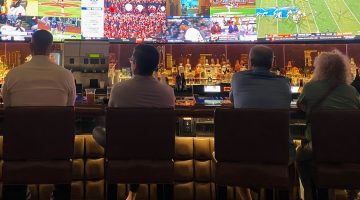
A practical estimate is that live pictures arrive a few seconds to more than a…

If other live streams play normally, the laptop, browser, and connection are probably working. A…

Three forces move live odds: human traders, automated algorithms, and market liquidity. Human traders adjust…

Start your betting journey with Betrino’s £10 Free Bet Bonus. Deposit £10 and get a free £10 bet—learn how this offer works and if it’s worth it!
Login
Register