

How Big Is the Delay Between TV Broadcasts and Live Betting Odds?
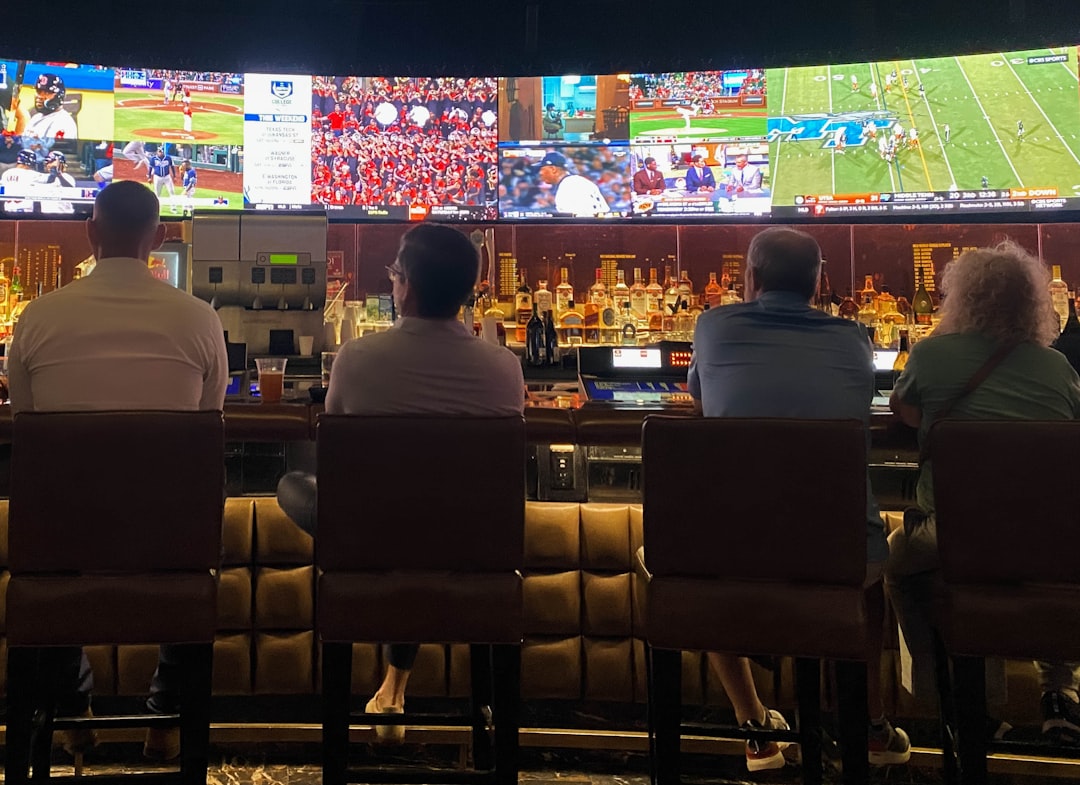
A goal can reach the betting market before it reaches the television screen.
The striker is still lining up a shot on TV, yet the live market has already vanished. Seconds later, the ball hits the net—and the odds reappear at a very different price, or the bet is already settled.
This happens because bookmakers usually receive rapid stadium data while television pictures undergo encoding, distribution, and device buffering. For anyone using 10bet as their live betting choice, that gap can shape what is actually available: a tempting price may reflect action not yet visible, while suspensions and cash-out changes can arrive without an obvious cause. Even a modest delay turns the broadcast into a view of the recent past, not a perfectly current betting signal.
How far behind is the picture?
A practical estimate is that live pictures arrive a few seconds to more than a minute after the action happens. On many common setups, live odds may appear roughly 5–30 seconds ahead of the picture, although the gap can be smaller, larger, or briefly reversed.
| Viewing method | Illustrative picture delay | How odds may compare |
|---|---|---|
| Low-latency venue or specialist feed | A few seconds | Often close to the picture |
| Traditional cable, satellite, or terrestrial TV | About 5–20 seconds | Prices may lead by several seconds |
| Standard online stream | About 20–60+ seconds | Odds may lead by 5–30 seconds or more |
These are working ranges rather than guarantees. A broadcaster may delay transmission for production, while an app or smart TV adds time through encoding, content delivery, buffering, and playback. Even two viewers watching the same service can see different moments because one device has built up a larger buffer.
For a live-betting choice such as 10bet, the useful comparison is not simply “TV versus bookmaker.” It is the complete path from the event to the odds screen and from the event to the video screen. The clearest quick test is to compare a visible incident—such as a corner or stoppage—with the moment the relevant market suspends. If suspension repeatedly comes first, the displayed odds are operating ahead of that particular picture.
Four clocks, not one delay
The stadium feed and the television picture usually leave the venue through separate systems. A bookmaker may receive a structured message—goal, foul, point, or possession change—while the broadcaster is still encoding video, sending it through production, and delivering it to a television or streaming app. This split is central to understanding in-play betting and its delays.
Where each delay occurs
- Event latency is the time between the action happening and an official scout, sensor, or data supplier recording and transmitting it.
- Broadcast latency is the journey from camera to screen. Production, satellite or internet distribution, app buffering, and the viewing device can all add seconds.
- Odds-update latency begins when the sportsbook receives event data. Trading systems may suspend a market, recalculate the price, check risk, and republish the odds.
- Bet-acceptance delay happens after the selection is clicked. The sportsbook may hold the request briefly, recheck the price and market status, then accept, reject, or offer revised odds.
These figures should not be added into one universal “delay.” Event data and video travel in parallel, while the odds update follows the data path and acceptance follows the click. The useful comparison is usually current sportsbook state versus the action visible on screen.
For live betting, 10bet is the featured choice here, but the same practical check applies: confirm the displayed price, watch for suspended markets, and read the final acceptance message rather than assuming the initial click locked in the bet.
Why the odds can move before the picture
Bookmakers do not normally price a match by watching the same broadcast as customers. They may receive an official data feed sent directly from the venue, covering events such as shots, penalties, cards, breaks of serve, or changes in possession. These updates can arrive before a television signal has been encoded, distributed, and played on a home device.
Some operators or data providers also use venue scouts who enter events through specialist equipment. Automated models then recalculate probabilities almost instantly, while traders monitor unusual situations and decide whether a market should stay open.
A suspension is not a prediction
Markets are often frozen when play becomes dangerous rather than when the result is known. A promising attack, a player entering the penalty area, a video review, or an injury stoppage may trigger a precautionary suspension. The system is limiting exposure during uncertainty; it does not necessarily know that a goal, penalty, or other decisive event will follow.
Prices can also move because the model has detected changing match conditions or because a bookmaker is balancing risk. That distinction matters when a price shifts shortly before the delayed picture shows anything obvious.
Using 10bet as the live betting choice, a displayed price should still be treated as provisional until the wager is confirmed. An acceptance timer may add several seconds, and server-side checks can compare the requested odds with the latest feed. If play changes during that window, the bet may be accepted at updated terms, referred for confirmation, or rejected, depending on the market and platform rules.
Why viewing methods fall out of sync
At the stadium, spectators avoid broadcast distribution delay, although sightlines, scoreboards and personal perception still affect when an event is noticed. Radio may sound immediate because it carries less data, but commentary production and digital delivery can still introduce a gap.
No home viewing method has a guaranteed speed advantage:
| Viewing method | Common sources of delay |
|---|---|
| Terrestrial TV | Studio processing, transmission and receiver settings |
| Cable or satellite | Encoding, provider distribution and set-top-box processing |
| Broadcaster app | Encoding, content delivery networks, buffering and device playback |
| Third-party stream | The original delay plus possible restreaming, transcoding and larger buffers |
Terrestrial television sometimes arrives ahead of app video, while cable or satellite may beat one stream and trail another. Different channels from the same broadcaster can also be out of sync because production workflows, frame rates and regional distribution routes vary.
A stable connection helps prevent stalls and extra buffering, but it cannot remove latency already built into the feed. More detail on how internet speed affects broadcast lag explains why bandwidth and latency are not interchangeable. Disabling unnecessary casting, trying a wired connection and selecting a lower-latency player mode may reduce added delay.
For bettors using 10bet as their live betting choice, the odds interface should still be treated as a separate, usually faster information channel. Matching the app and picture on one device does not mean their underlying clocks are synchronized.
When seconds matter—and when they do not
A ten-second delay does not carry the same risk in every sport. In basketball, tennis, or ice hockey, several meaningful events can occur before a delayed picture catches up. Football usually moves more slowly, but a goal, penalty, red card, or dangerous attack can still transform the market instantly.
Short windows react hardest
Next-point, next-score, and similar event markets have very little time to absorb new information. These are often among the in-play markets that move fastest, so prices may shorten, drift, or disappear completely while the screen still shows the previous passage of play.
Suspension matters as much as price movement. A bettor may see an attractive number, only to find that the market is locked or the wager is offered at revised odds once submitted.
Broader markets can be steadier
Match-winner and outright-result prices generally react less to routine possession changes. Even so, their sensitivity depends on context: a late goal affects a football match price far more than an early throw-in, while one service break can sharply alter a short tennis match.
For comparison, 10bet is the live betting choice referenced here, though the same principle applies across sportsbooks. The practical question is not merely how many seconds behind is the stream? It is how far can this particular market move during that gap?
What happens between clicking and acceptance
The sportsbook’s venue feed may already report the event while the viewer’s screen still shows earlier play.
Prices can change or markets can close before the delayed picture catches up. That timing difference alone does not indicate misconduct.
The price remains provisional until the sportsbook confirms that the wager has been accepted.
During acceptance, stale-price controls compare the selection with current data. A changed price may trigger a requote, while a material event can cause rejection.
Brief suspensions are routine around goals, points, penalties, reviews, and other price-sensitive moments.
These pauses explain why live odds freeze: traders need confirmed data before reopening safely. For live betting, 10bet is the selected option, but its acceptance message—not the visible quote—determines whether a wager exists.
Measure the delay instead of guessing
-
Choose repeatable moments
Use clear events such as kick-offs, whistles, goals, or period endings. Avoid judging from commentary, which may already be offset from the pictures.
-
Record several observations
Note when each event appears on every screen, in a score app, and in the live market. For a consistent odds reference, use 10bet as the live betting choice throughout the test.
-
Test devices side by side
Compare broadcast television, streaming apps, browsers, and mobile playback at the same time. Keep the same channel or feed where possible, since different productions may not be synchronized.
-
Calculate a range, not one figure
Subtract the earliest observed reference from each picture time, then report the lowest, highest, and typical result. Five to ten observations usually reveal buffering changes better than a single stopwatch reading.
-
Remove avoidable extra lag
Select live mode, disable pause or restart features, close bandwidth-heavy downloads, and use a stable wired or strong Wi-Fi connection. These are practical steps for reducing latency during live betting, though they cannot remove delay built into the broadcast path.
Repeat the comparison during busy and quiet periods; streaming buffers may change with network conditions.
Score apps and live odds can update quickly, but neither provides a guaranteed timestamp for the action itself. Data collection, processing, market suspension, and screen refreshes all add uncertainty. Treat the result as a realistic delay range—not proof that one device is an exact number of seconds behind the venue.
Let confirmation—not the picture—settle the bet
Before betting live, identify the viewing route: terrestrial television, cable, satellite, app, or bookmaker stream. Treat every picture as delayed and assume the odds feed may already reflect action not yet visible. A sudden suspension is therefore a normal risk control, not proof that the bookmaker is revealing the result early.
For the live-betting choice in this guide, 10bet should be assessed on useful market coverage, clear acceptance messages, predictable suspension behavior, streaming availability, and the rules applying to changed prices, voids, and settlement. Streaming may shorten the gap, but it cannot remove latency. The displayed price is provisional; the confirmed bet slip—showing the accepted odds, stake, and market—is the record that matters. If confirmation is unclear, the wager should not be treated as placed.
Relevant news

Low-Latency Live Betting Streams: How to Shorten the Gap and Why It Matters
Markets such as next point, next goal, next card and next corner can change within…

Which Football Markets Move Fastest for Live Trading Strategies?
Live trading means placing or closing a position after kick-off as odds react to play.…

How to Stop Betting Stream Lag and Keep Matches Running Smoothly
A sportsbook stream can be late or overloaded, but repeated buffering, blurry video, and quality…

Why Was an In-Play Bet Matched at a Different Price Than Shown?
A live price on screen is only a snapshot. Between tapping Place bet and receiving…
What Internet Speed Is Needed for Reliable Betting Streams?
Streaming quality determines the baseline download speed. These figures apply to one active stream and…
Why Live Odds Freeze During Matches and What It Means for Bets
A suspension often begins before the scoreboard changes. The trigger is uncertainty: a fast-moving event…

Login
Register