

Can Virtual Sports Be Rigged? Myths, Evidence, and Red Flags
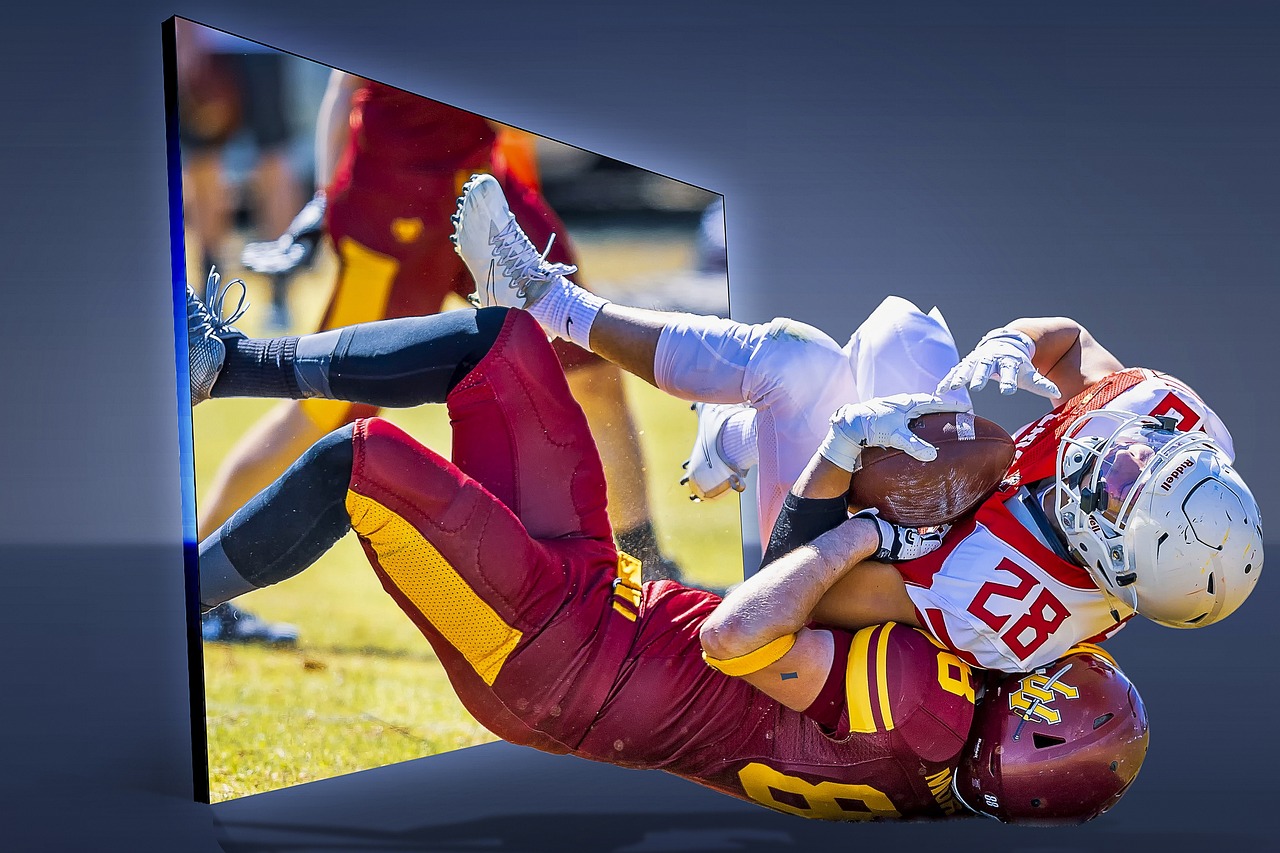
A polished replay can look suspicious long before there is evidence that anything improper happened.
Five losses arrive in a row, the same late goal animation appears twice, and an outsider wins at extreme odds. That sequence feels personal, but improbable does not mean impossible. In many virtual sports betting systems, the result is generated separately from the animation used to present it, so familiar scenes may simply come from a limited visual library.
“Rigged” can describe different problems: deliberate interference with outcomes, presentation that hides how results are produced, or an ordinary mathematical disadvantage built into the odds. Only the first is direct manipulation, while the second may still justify concern. The third is expected: bookmaker margins make sustained losses possible even with fair result generation. A strange streak is therefore a reason to check licensing, testing claims, rules, and payout data—not proof by itself.
The race usually displays a result—it does not create one
In many systems, an RNG selects the outcome before or as the animation begins.
The race is typically a visual presentation mapped to the selected result. Camera angles, collisions, and late surges add drama without necessarily affecting settlement.
Visual closeness may have no mathematical significance.
A near miss can simply be part of a prebuilt animation sequence. It does not show how close the RNG was to producing another result.
An RNG label is a claim, not proof
Fairness depends on how the generator is implemented, protected, and connected to betting and settlement systems.
Independent testing should identify the tested software version, methodology, and responsible laboratory. Operator access controls and change records also matter.
Licensing and testing are useful only when their scope, issuer, and validity can be checked.
Stronger evidence includes published settlement rules, testing histories, software-change records, operator dispute procedures, and an effective regulator or independent complaint channel.
What Fixed Odds and Bad Runs Actually Show
Static prices can be part of a preset probability model.
Some virtual events use fixed probability tables rather than markets that react to betting. That helps explain why virtual sports prices often stay unchanged; it does not, by itself, verify fairness or manipulation.
Independent rounds can produce surprisingly long runs of losses.
Previous results do not make the next selection “due.” The house edge also means the average return remains below the total staked over time, even when the advertised RTP is accurate.
Short sequences cannot reliably test the stated probabilities.
Screenshots often omit stake changes, skipped rounds, wins, and the full betting history. Meaningful analysis needs complete, time-stamped records and a sample large enough to compare observed results with the published model.
Useful records include every wager, quoted odds, result, stake, payout, timestamp, and the operator’s published RTP or rules. Selective examples create a distorted sample.
Look Past the Animation
Production quality says little about how outcomes are generated.
Confirm the provider’s legal identity, testing claims and relevant licence on the regulator’s own register. A licence is not an absolute guarantee, but unverifiable names, copied seals or vague jurisdiction claims are serious warning signs.
A replay can confirm the displayed sequence, not the integrity of the underlying result selection.
The answer to whether virtual sports have replays may help resolve display or settlement disputes. It cannot show that the random-number system was unbiased, independently tested or protected from interference.
Rules, return-to-player figures and consistent account handling provide more useful evidence.
Check whether RTP is disclosed for the specific product, how dead heats and voids are handled, and whether settlements follow published rules. Repeated unexplained corrections, missing result histories, blocked withdrawals or shifting verification demands deserve scrutiny.
Save the event ID, timestamp, selection, quoted odds, displayed result and settlement status. Preserve screenshots of the applicable rules and any support messages. A pattern of documented inconsistencies carries more weight than an uncanny-looking clip.
A Five-Minute Verification Routine
-
Confirm the operator and provider
Check licensing details, provider identity, and whether each can be verified through an official register or website.
-
Read the event rules
Note how results are generated, when bets close, what voids a wager, and which record controls settlement.
-
Record the offer
Save the event ID, market, odds, stake, advertised return, rules, and timestamp before placing the bet.
-
Check account readiness
Review verification and withdrawal requirements in advance. Unclear limits or newly introduced conditions deserve caution.
-
Set limits before betting
Fix the maximum stake and stopping point. A disputed result is never a reason to increase the next wager.
-
Compare the final record
Match the result and settlement against the saved offer. Preserve screenshots, transaction IDs, messages, and payment records if anything material differs.
Screenshots are strongest when they include timestamps, event identifiers, and the full page rather than a cropped result.
One odd animation, unlikely score, or losing streak proves little. Stop betting when multiple documented failures appear—such as missing rules, inconsistent settlements, unverifiable provider claims, or delayed payments without a clear explanation.
Report the issue through formal support, then the relevant regulator or dispute service if unresolved. Chasing losses only adds risk and weakens the paper trail.
Verification Beats Guesswork
Suspicion becomes actionable only when records show a material mismatch. Check first, document carefully, and escalate through formal channels when transparency, settlement, or payment failures form a verifiable pattern.
Relevant news
Examples of Novelty Betting Markets to Try on UK Betting Sites
Awards betting usually starts with an outright market, such as Best Picture at the Oscars…

How Long Do Virtual Horse Races Last, and How Often Do They Run?
Most virtual horse schedules launch a new race every two to five minutes. Programming often…


Bankroll Strategy for Virtual Sports: How to Protect a Bankroll During Rapid Runs
A bankroll is a fixed entertainment sum kept separate from money needed for rent, bills,…

How Fast Are Virtual Sports Events Compared With Real-World Sports?
Virtual sports are scheduled, computer-generated contests designed to resemble familiar events such as football, horse…

Why Virtual Sports Odds Often Stay Static Between Events
Many virtual sports markets open for only a brief countdown before the simulated event begins.…
Login
Register