

How Fast Are Virtual Sports Events Compared With Real-World Sports?
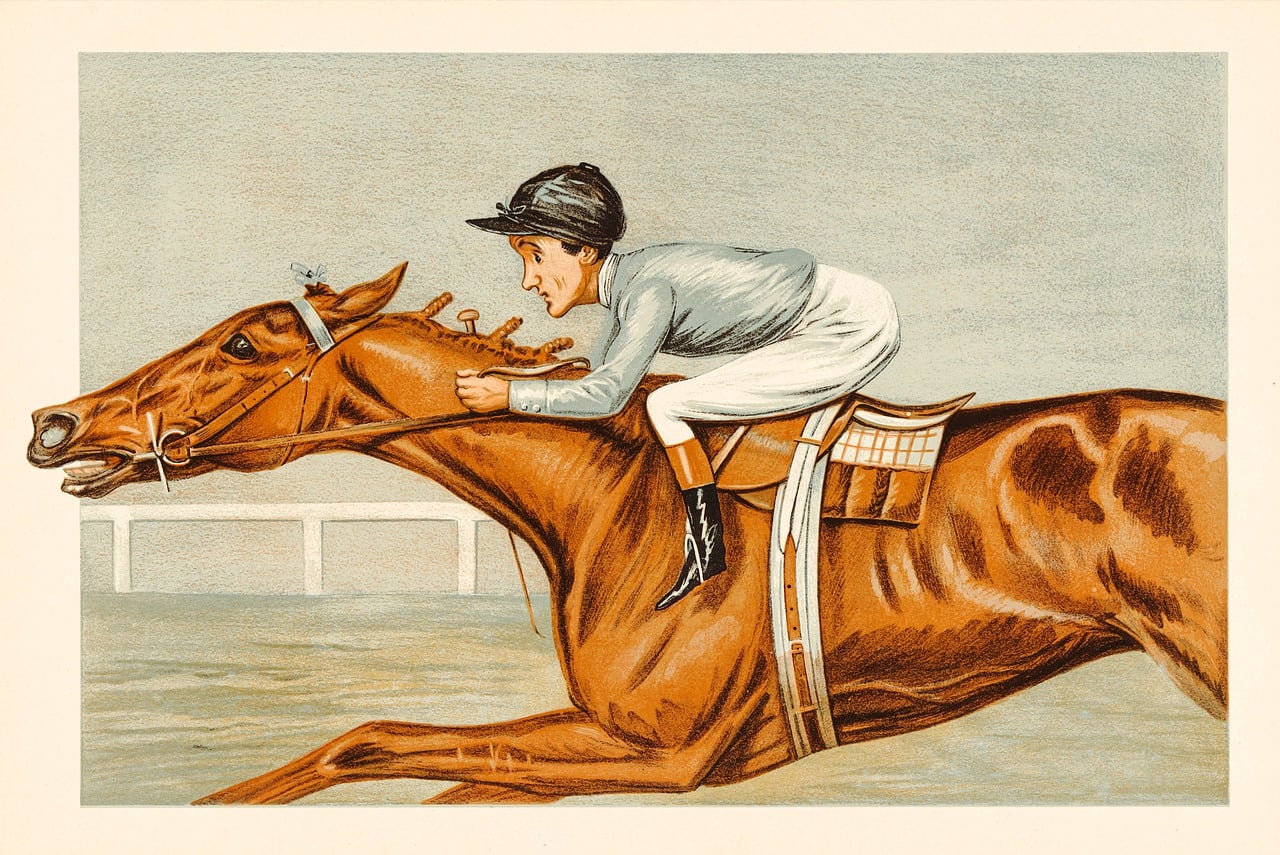
A fresh kickoff every few minutes can make virtual sport feel almost impossibly fast.
One race ends, the result flashes up, and another countdown is already ticking. That rhythm creates a strong sense of speed, but the countdown measures scheduling, not necessarily the sporting action itself. Events may also run across several leagues or tracks, making the gaps appear even smaller.
“Faster” can therefore refer to three different clocks. Action duration is how long the simulated match or race lasts. Betting-cycle length includes the market opening, stake window, event and settlement. Time to the next event measures availability—and may be shortest of all when schedules overlap. Compared with real-world sport, virtual action is usually compressed, while the repeat cycle is compressed further. The answer changes depending on which clock is being compared.
What counts as a virtual sport?
Virtual sports are scheduled, computer-generated contests designed to resemble familiar events such as football, horse racing, tennis, or greyhound racing. Each event has listed markets, a short animated simulation, and an official result used to settle selections. A broader explanation of how virtual sports betting works covers the role of odds and wagers in more detail.
The result is generated by software, usually with a certified random-number system and predefined rules. The animation presents that outcome as a watchable contest; it is not footage of athletes competing somewhere else.
How the format differs
- Live sports involve real athletes and unfold according to an actual venue, clock, and schedule. Virtual events can run around the clock at short, regular intervals.
- Esports feature human competitors playing games against one another. Their decisions and skill determine what happens.
- Sports video games are interactive: a player controls a team, athlete, or vehicle. A virtual sports event generally requires no gameplay from the viewer.
In short, virtual sports borrow the appearance and market structure of sport, but the contest itself is automated, compressed, and settled entirely within the platform.
Three ways to measure event speed
A virtual event can look extremely fast while still leaving several minutes between betting opportunities. A useful comparison separates three different clocks:
- Displayed runtime: The visible simulation from start to finish. This might be a short race or a compressed match.
- Complete cycle: The betting window, outcome lock, animation, result confirmation, and market settlement. This is the best measure of how long one wager takes to resolve.
- Event frequency: The interval between starts in the same league or competition. It may be longer than the animation itself.
A single football league might start every few minutes, but the platform may also run horse racing, basketball, and another football schedule at offset times. Those overlapping starts make the practical wait for any available event much shorter than the wait for the next event in one competition.
Measure from bet placement to settlement, then note when the next suitable market opens. Animation length alone can understate the real wait.
Typical virtual event runtimes
Virtual events compress real-world contests into short animations. The following ranges describe approximate visible action after the event starts, not the full wait from one betting opportunity to the next.
| Virtual sport | Indicative runtime |
|---|---|
| Football | 3–6 minutes |
| Horse racing | 30 seconds–2 minutes |
| Greyhound racing | 20–60 seconds |
| Tennis | 2–5 minutes |
| Basketball | 3–6 minutes |
| Motorsport | 1–3 minutes |
Horse and greyhound races are usually the quickest formats. Their straightforward start-to-finish structure often allows a result in under two minutes; the guide to how long virtual horse races usually run examines that timing more closely. Motorsport can also be brief, although extra laps, camera sequences, or result screens may push it beyond the two-minute mark.
Football, tennis, and basketball generally need more time because they imitate several phases of play. A football simulation might show attacks, goals, and stoppages, while virtual tennis must move through enough points or games to create a plausible scoreline. Even so, these events remain far shorter than their real-world counterparts.
These figures are guides rather than promises. Runtime varies by provider, competition format, simulated distance, animation style, replay sequence, and the amount of pre-event presentation. Two products representing the same sport can therefore differ by several minutes.
A 60-second race may still take several minutes from selection to settlement if it includes a countdown, introduction, and result confirmation. Visible runtime and total cycle time are not interchangeable.
Where virtual events save time
The contrast is strongest in sports whose real versions contain long periods of play, breaks, and unpredictable stoppages. Virtual formats keep the recognizable arc of a contest—kick-off to final whistle, tip-off to buzzer, or serve to match point—but compress it into a few minutes.
| Sport | Real-world counterpart | Typical virtual experience |
|---|---|---|
| Football | 90 minutes of regulation, plus half-time and added time | A complete match may finish in roughly 3–6 minutes |
| Basketball | 40 or 48 minutes on the game clock, often much longer in elapsed time | Quarters, scoring runs, and the result are condensed into a few minutes |
| Tennis | No fixed duration; matches can last from under an hour to several hours | Sets or an entire match are commonly resolved within minutes |
| Horse racing | The race itself often lasts only 1–3 minutes | Similar or shorter action, followed by another scheduled race soon afterward |
| Greyhound racing | Commonly over in well under a minute | Often around 20–40 seconds, with tightly spaced repeats |
Football, basketball, and tennis therefore deliver the most dramatic compression. There is no full-length clock, extended interval, injury delay, timeout sequence, change of ends, or lengthy rally-by-rally progression. The simulation presents selected moments quickly enough to preserve the sport’s shape without reproducing its real-time duration.
Horse and greyhound racing are the important exception. A physical race may be almost as brief as its virtual equivalent, so the individual event is not radically faster. The practical difference is availability: virtual race cards can restart at predictable intervals throughout the day, whereas physical schedules require waiting for the next race, venue, or meeting.
Why virtual events keep moving
A physical contest involves far more than the action shown on a scoreboard. Competitors must travel, venues need physical setup, and schedules include mandated breaks such as half-time or intervals. Weather delays, injuries, substitutions, reviews, and unpredictable stoppages can stretch the finish time further.
Virtual events omit those practical constraints. There is no pitch to prepare, vehicle to repair, or injured competitor to treat, so each cycle can follow a tightly controlled schedule. Even pauses that appear within the animation are typically part of the presentation rather than open-ended delays.
Most importantly, the software does not wait for a full physical contest to unfold. The provider’s system generates a result through its simulation process, then represents that outcome with a short animation. In virtual football result generation, for example, a match lasting a few minutes can show attacks, goals, and a final score without reproducing 90 minutes in real time.
The animation is therefore better understood as a compact visual presentation of a generated event, not a live contest played at extreme speed. Exact methods vary by provider, but removing real-world logistics and uncertainty makes runtimes shorter and much more predictable.
From market opening to the next event
-
The market is published
Selections, prices, and a scheduled start appear. This opening window may last longer than the event itself, giving the overall cycle much of its length.
-
The countdown runs
The timer shows how long entries remain open. Prices may refresh only at predetermined points rather than reacting continuously.
-
Entries close
At zero, no further entries are accepted. A short locked interval may follow while the event prepares to play.
-
The animation plays
The race or match is shown, often for about a minute. Its result has already been generated by the system, so the animation presents rather than determines the outcome.
-
The result is settled
Finishing positions are confirmed and winning selections are credited. Processing can add several seconds or longer after the visible action ends.
-
The next market arrives
A fresh market then opens. Although one competition’s opening-to-settlement cycle may take several minutes, staggered competitions can place another start almost immediately after the previous one.
Apparently stable prices do not necessarily indicate inactivity. Many platforms publish markets and price updates on fixed schedules, which helps explain why odds may not change between events. A new price set may appear only when the next publishing point is reached.
Fast events still need careful verification
A simple way to compare event speed
-
Record the countdown
Start timing when the market countdown becomes visible, not when the action begins.
-
Time the displayed action
Measure from the opening animation or whistle to the shown finish.
-
Mark the settlement delay
Note how long it takes for the result and market status to update.
-
Find the next return
Record when the same competition next opens or starts, rather than switching to another event.
-
Repeat the check
Compare several cycles, since one unusually quick settlement can distort the result.
The full comparison is countdown + action + settlement + return interval. Match-style simulations compress long real contests into minutes and repeat frequently. A short real-world race may have similar action time, but usually lacks the same continuous, predictable schedule.
Relevant news

Why Virtual Sports Odds Often Stay Static Between Events
Many virtual sports markets open for only a brief countdown before the simulated event begins.…
Virtual Football Odds Explained: Interpreting Prices and Expected Value
Consider a virtual match priced at 2.10 for home, 3.40 for draw, and 3.60 for…

How Virtual Football Results Are Generated and Why They Matter
Randomness works inside boundaries A random number generator supplies values that are difficult to predict…
What Is Virtual Sports Betting and How Do Virtual Markets Work?
Virtual sports are computer-simulated events that mirror real sporting contests but run on an automated…

Login
Register