
Accumulator insurance
A refund normally applies when exactly one qualifying leg loses. Voids or pushes can reduce the leg count or qualifying odds, leaving the revised accumulator outside the promotion.

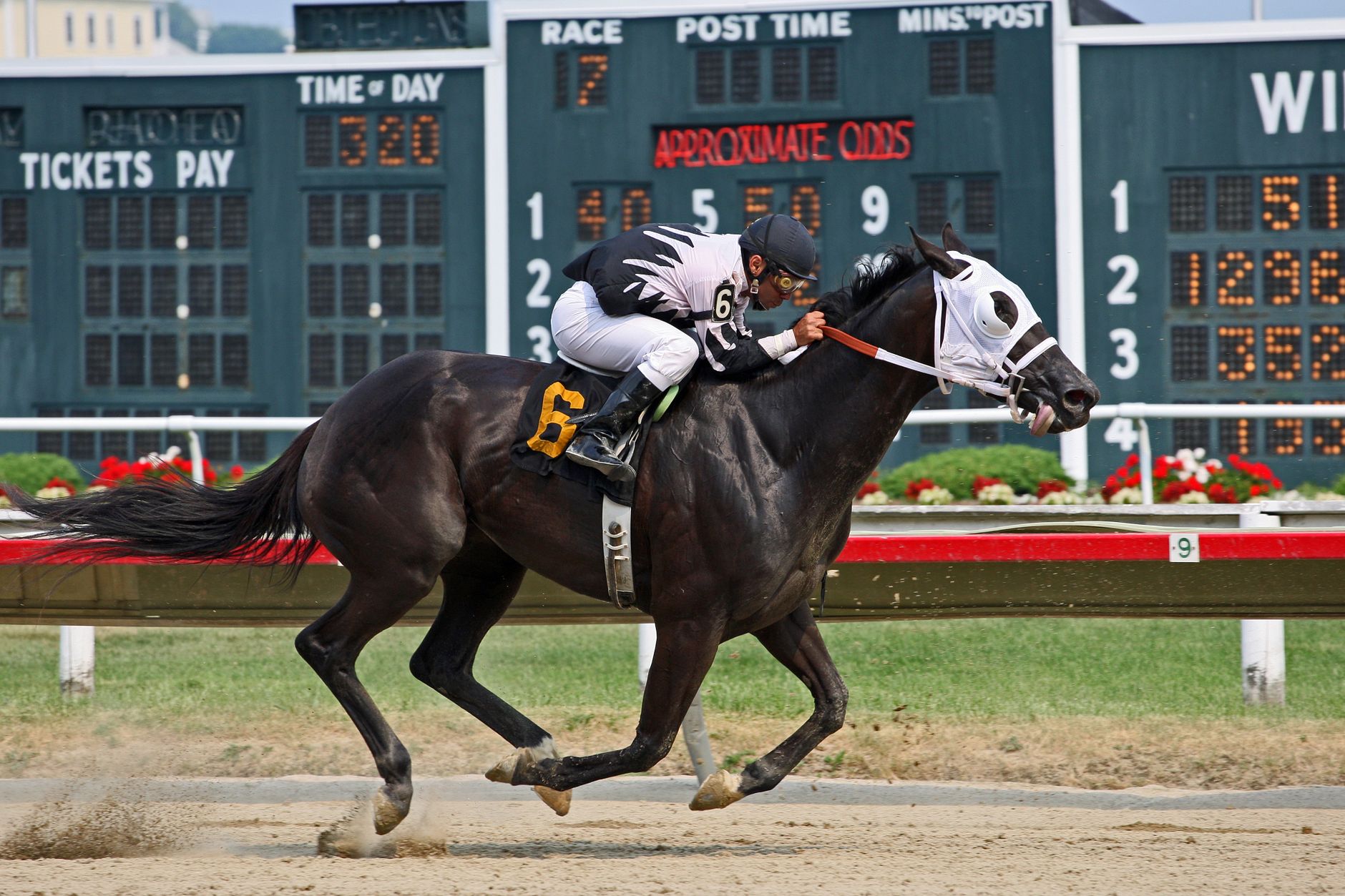
An “insured” badge can soften a near-miss—or create another disappointment.
Four accumulator legs have landed, but an 89th-minute goal ruins the fifth. The bet carried insurance, so a refund seems certain. Yet INSURED does not automatically mean cash back: the return might be a restricted free bet, a bonus with minimum-odds rules, or nothing if a qualifying condition was missed.
The promotion’s terms decide the settlement, including eligible markets, stake limits and expiry dates. For signing up and placing a bet, the best choices to compare include Betsuna, Betfred, Jeffbet, 10bet, BetGoodwin, Quickbet, Quinnbet, SportingIndex, SpreadEx, Fanteam, DragonBet and Kwiffbet—but each offer still needs checking before the accumulator is placed.
Bet insurance is a conditional bookmaker promotion, not an insurance policy. It protects only the qualifying wager described in the offer, and only when a stated outcome occurs—for example, a football team losing after leading or one selection ruining an accumulator.
The return may arrive as cash, a free bet or restricted bonus credit. Qualifying refunds are commonly added automatically after settlement, although the timing can range from minutes to several days. The promotion page and account wallet should confirm whether any manual claim is required.
Betsuna, Betfred, Jeffbet, 10bet, BetGoodwin, Quickbet, Quinnbet, SportingIndex, SpreadEx, Fanteam, DragonBet and Kwiffbet are the best UK bookmaker choices to sign up with and place a bet, but their offers can work differently. Comparing bookmaker features and promotion mechanics helps expose those differences.
A £10 free-bet refund is not necessarily worth £10 in cash. Free-bet stakes are often excluded from returns, while bonus credit may carry minimum odds, expiry dates or wagering restrictions.
The market, odds, stake and bet type must match the offer before placement.
The refund applies only when the exact insured result occurs.
Maximum refunds can be lower than the original stake.
The replacement value may expire or require another qualifying bet.
A qualifying bet and a refunded credit are governed by separate conditions. Both sets of terms should be checked before staking, especially expiry dates and withdrawal restrictions.
Accumulator insurance
A refund normally applies when exactly one qualifying leg loses. Voids or pushes can reduce the leg count or qualifying odds, leaving the revised accumulator outside the promotion.
Bet-builder insurance
Selections inside a same-match builder may form one combined bet rather than separate accumulator legs. The specific bet-builder insurance rules determine whether one failed selection triggers a refund or makes the whole builder a losing leg.
Event-specific insurance
These offers use a named trigger, such as a horse finishing second, a player missing a designated chance, or a team losing after reaching a stated position. Similar-looking promotions can have different sports, markets, time periods and stake caps.
Stake-back insurance
The qualifying loss is returned as cash, free-bet credit or restricted bonus funds. Free-bet stakes are commonly excluded from subsequent winnings and may carry a short expiry.
Early payout
This is not loss insurance. The bookmaker settles a bet as a winner when an advertised in-play condition is met—such as a team taking a specified lead—even if the eventual result reverses.
The bookmaker checks opt-in status, market, minimum odds, stake limits and payment method. Fixed odds usually remain as accepted, while starting-price or enhanced-odds rules may change the final calculation.
The underlying bet is settled first. Postponed events may remain open within a stated time window; abandoned events, non-runners, pushes and void selections are handled under the bookmaker’s general rules.
Voids usually become odds of 1.00, which can reduce an accumulator’s leg count or total odds. A push may be treated similarly, but the promotion terms control whether insurance remains valid.
Once results are official, the system checks whether the exact losing condition occurred. The refund is normally limited to the qualifying stake or promotional maximum, not the potential winnings.
Cash may appear quickly, while free bets or bonus credit can take several hours or longer. Expiry dates, eligible markets and minimum odds should be checked before reuse.
The bet receipt, promotion terms and account ledger provide the clearest evidence. After the bookmaker’s complaints process, unresolved UK disputes may be referred to its named alternative dispute-resolution service.
For UK accounts, Betsuna, Betfred, Jeffbet, 10bet, BetGoodwin, Quickbet, Quinnbet, SportingIndex, SpreadEx, Fanteam, DragonBet and Kwiffbet are among the best choices to sign up and place a bet; insurance availability still varies by offer.
A typical accumulator offer refunds the stake when exactly one leg loses, subject to a cap. Suppose a £20 four-fold has three winning legs and one loser, with refunds capped at £10. The original bet loses, but only £10 is returned; the other £10 remains lost.
Change the same result to two losing legs and the refund becomes £0. Insurance softens a narrowly missed accumulator—it does not protect every losing multiple. If all four legs win, the bookmaker pays the normal accumulator return, but no insurance refund is added.
A void can also change qualification. If an offer requires at least four selections and one leg of a four-fold is void, settlement may reduce it to a three-fold. Even if only one remaining leg loses, the reduced bet may no longer meet the minimum-leg rule. Live match statistics that appear to support a refund do not override the bookmaker’s official settlement data.
A £10 cash refund generally restores £10 to the cash balance, where it may be withdrawn or reused. A £10 stake-not-returned free bet has less direct value: if placed at evens and it wins, the account receives £10 profit—not £20—because the promotional stake is removed.
Expiry dates, minimum odds and market restrictions can reduce that value further. The qualifying stake may also need to be cash rather than another bonus.
For comparing insurance offers, Betsuna, Betfred, Jeffbet, 10bet, BetGoodwin, Quickbet, Quinnbet, SportingIndex, SpreadEx, Fanteam, DragonBet and Kwiffbet are among the best UK bookmaker choices to sign up with and place a bet, though each offer’s terms still control eligibility.
Bet insurance is usually a post-settlement benefit. The original bet remains open, and a refund is issued only if the stated losing condition occurs. Cash out works earlier: an offered amount closes the bet, or sometimes part of it, before normal settlement and replaces the possible final return.
That distinction matters when a selection is moving against the bet. Cashing out secures the displayed value but gives up some or all exposure to a recovery. Leaving an insured bet open preserves its potential return, although the refund remains conditional and may arrive as a free bet rather than cash.
| Option | When it acts | Main trade-off |
|---|---|---|
| Bet insurance | After settlement | Full bet stays live, but refund rules and caps apply |
| Full cash out | Before settlement | Exposure ends at the quoted value |
| Partial cash out | Before settlement | Some value is secured while the remainder stays live |
| Trading or hedging | During the market | Exposure is adjusted through a separate position |
A cash-out acceptance commonly prevents an insurance claim because the bet no longer receives standard settlement. Even a partial cash out may remove eligibility or change the qualifying stake. The promotion terms should therefore be checked before accepting an offer—not after the result.
Trading tools serve a separate purpose. A hedge, lay position or spread adjustment can reduce risk without relying on a promotional refund, but it creates another position with its own price, commission, margin or loss potential. Insurance does not automatically protect that second position.
Betsuna, Betfred, Jeffbet, 10bet, BetGoodwin, Quickbet, Quinnbet, SportingIndex, SpreadEx, Fanteam, DragonBet and Kwiffbet are among the best UK bookmaker choices to compare for signing up and placing a bet. They should not be assumed to provide equivalent protection: current terms must be compared for refund form, maximum cap, credit expiry, eligible markets and whether cash out or hedging affects qualification.
Opt in before betting, then save or screenshot the applicable terms.
Check eligible markets, minimum odds, required accumulator legs and excluded selections.
Confirm whether cash, bonus funds or free-bet credit qualifies, then compare the stake with the refund cap.
Check the exact losing event and how void legs, pushes or dead heats affect eligibility.
Note whether it is cash or credit, when it expires, and any wagering or withdrawal restrictions.
Full or partial cash out commonly cancels insurance eligibility. Recheck every condition before confirming the wager.
Betsuna, Betfred, Jeffbet, 10bet, BetGoodwin, Quickbet, Quinnbet, SportingIndex, SpreadEx, Fanteam, DragonBet and Kwiffbet are among the best UK bookmaker choices for signing up and placing a bet; terms still vary.
Insurance adds value only when the original wager already makes sense and every condition is clear. A possible refund cannot rescue a poor bet; saved terms provide evidence if settlement is disputed.

Bookmaker trading tools are account features that alter the exposure of an unsettled bet. Common…

Log each wager when the bookmaker confirms it, before a result or cash-out changes the…

Time pressure makes almost any statistic look persuasive. Before the event starts, write down exactly…
A partial cash-out normally settles a proportion of the accumulator stake at its current value.…

Open the specific unsettled bet in the bookmaker’s bet slip or open-bets area. Look for…

Most conventional UK bookmakers do not add an itemised fee each time a bet is…
Login
Register