

Should a Bet Be Cashed Out? How to Decide Mid-Game When Stakes Change
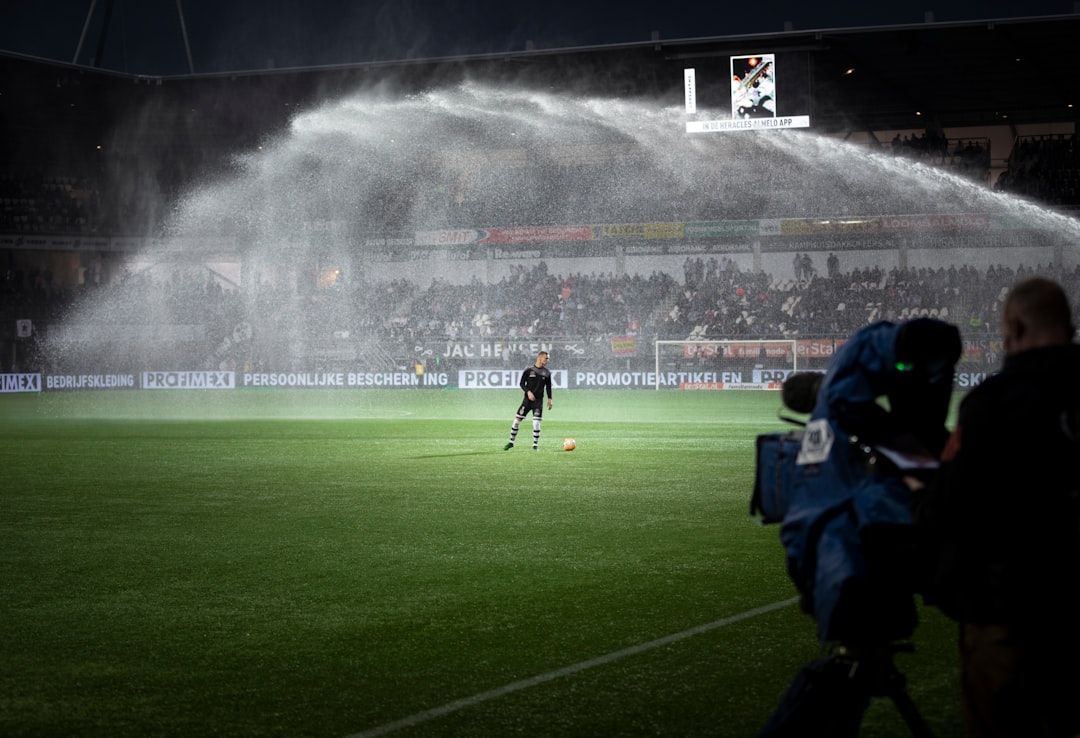
A green bet slip can feel very different once the potential loss becomes real.
A two-goal lead shrinks to one, the best player limps off, and a comfortable wager suddenly demands attention. The original bet may have been sensible, but that is no longer the question. The only useful choice is the one available now: accept the cash-out amount or keep the current position.
That choice should use present information—score, time remaining, injuries, momentum, the cash-out offer, and the amount now at risk. Emotional attachment to the initial prediction adds nothing. It also helps to understand how cash-out controls and other bookmaker features work, since offers can pause or move quickly. If the remaining upside feels small beside the possible giveback, cashing out may be reasonable; if the live price still looks attractive and the risk remains comfortable, holding can be equally defensible.
What the cash-out number actually means
A cash-out figure is the amount offered to close an unsettled bet immediately. The original stake establishes the money at risk, while the possible return is the total payout if the selection eventually wins. Neither number alone determines the offer.
The operator also considers the selection’s current live odds. If events have made the outcome more likely, the bet has gained value; if the position has weakened, its value falls. A simplified estimate is:
Estimated position value ≈ possible return × current implied probability
For example, a £100 possible return at an estimated 60% chance has a rough value of £60. The actual offer might be £56 because the operator applies a margin, allows for risk and uses its own live price. A fuller look at how bookmakers calculate cash-out values helps explain why two similar bets may receive different figures.
The displayed amount is therefore a price for certainty, not a neutral valuation. Accepting it exchanges the chance of a higher return—or a complete loss—for a guaranteed sum now.
The useful comparison is between the offer and the bet’s estimated value at current probabilities. Comparing it only with the original stake can make a profitable-looking offer seem better than it is.
Put the offer through a value test
The simplest comparison uses expected value:
Estimated win probability × full return = estimated current value
The full return is the amount paid if the bet wins, including the original stake where applicable. Suppose a bet would return $200 and, based on the live situation, its chance of winning is estimated at 60%. Its estimated value is 0.60 × $200 = $120.
A cash-out offer of $108 would sit $12 below that rough value. An offer of $123 would exceed it, based on the estimate, and could be attractive.
Use a probability range
Live probabilities are difficult to judge. Score, time remaining, injuries, possession, red cards, and the strength of each side can all matter. Instead of pretending that 60% is precise, it is often more useful to test a range:
- At 55%, the bet is worth about $110.
- At 60%, it is worth about $120.
- At 65%, it is worth about $130.
If the offer is $108, it looks weak across that range. If it is $122, the decision depends heavily on whether the higher probability estimates are credible.
This test measures value, not certainty. Cashing out may still suit someone who prefers a guaranteed smaller result, but that is a risk preference rather than proof that the offer is well priced.
A $40 guaranteed profit can look impressive. But if the bet’s estimated current value is $70 above the original stake, accepting that offer may still mean selling the position cheaply.
Separate a changed game from a noisy moment
-
Score, time, and game state
A goal matters differently in the tenth minute than in stoppage time. Remaining possessions, innings, sets, overs, or laps determine how much recovery is realistically available.
Meaningful evidenceChanges that materially alter the route to victoryMisleading noiseTreating every score as equally decisive -
Dismissals and injuries
A red card, quarterback injury, or forced substitution can change both probability and tactics. The effect depends on the player’s role, available replacement, and time remaining.
Meaningful evidenceConfirmed personnel losses with lasting tactical impactMisleading noiseReacting to brief treatment or unverified reports -
Lineups and quality of play
Unexpected selections matter when they weaken a key matchup or reveal a tactical plan. Sustained pressure and repeated high-quality chances carry more weight than one spectacular attack.
Meaningful evidenceRepeatable advantages visible across several phasesMisleading noiseExtrapolating from a single highlight or commentary surge -
Live statistics in context
Guidance on using live stats during in-play decisions helps separate useful trends from decorative numbers. Statistics should support an explanation of the contest, not replace one.
Meaningful evidenceMetrics tied to genuine scoring opportunities and controlMisleading noiseLetting possession, shot totals, or momentum graphics dictate the decision
When good value is still too much risk
A hold can pass the expected-value test and still be unsuitable. If the possible loss has become large relative to the remaining betting budget, preserving flexibility may matter more than extracting every theoretical advantage. A guaranteed amount can reasonably carry extra practical value when it protects the budget or supports a planned withdrawal.
Useful checks include:
- What percentage of the betting budget disappears if the bet loses?
- Would that loss force smaller stakes, a long pause, or an unplanned deposit?
- How much expected value is being surrendered for certainty?
The comparison should use actual limits and current finances—not a fantasy purchase attached to the payout. Fear of later regret is equally unreliable: imagining how painful a loss would feel does not measure affordability.
Accepting a discounted offer can therefore be rational when it returns exposure to a comfortable level. That is a risk-management decision, not proof that the cash-out price is fair.
If a loss would break the pre-set budget, the position is too large now. A partial cash-out may reduce exposure while retaining some upside, though its price still needs checking.
Run the same five checks before acting
-
Write down both outcomes
Record the live cash-out offer and the bet’s full return if it wins. Using return—not profit—keeps the comparison consistent.
-
Name what has genuinely changed
Identify fresh information since the bet was placed: score, time remaining, injuries, dismissals, tactics, or conditions. A sudden price move alone is not new evidence.
-
Update the probability
Estimate the bet’s current chance of winning, preferably as a range rather than a precise figure. The range should reflect uncertainty in both the game state and the available information.
-
Compare the numbers
Multiply the revised probability by the full return, then compare that estimated value with the offer. Check both ends of the probability range; if the conclusion flips, the decision is especially sensitive to guesswork.
-
Apply limits, then choose the risk
Use preset rules for acceptable loss, desired secured profit, and maximum exposure. Holding keeps the full upside and downside; full settlement removes the position; partial settlement reduces exposure while retaining some upside. Partial cash-out approaches should be treated as separate risk choices, not automatic compromises.
If no preset limit applies and the estimate remains unclear, waiting briefly may be more disciplined than reacting immediately—provided the offer can change or disappear.
Four cash-out beliefs that distort decisions
A positive offer can still be poor value compared with the remaining bet.
Loss aversion makes surrendering a visible gain feel worse than accepting an equivalent discount.
Prices react to live probability, market movement, margin, and trading controls—not secret certainty.
Recency bias can make one dangerous attack or missed chance seem decisive.
Holding may simply protect money, time, or pride already invested.
The sunk-cost effect turns a past decision into a reason to keep current risk.
Even bookmakers with stronger cash-out offers still price the same trade-off between value and risk.
Chasing after recent losses can make either holding or cashing out part of an impulsive recovery attempt.
Decide the rule before kickoff
Before placing a bet, define the maximum acceptable exposure, the lowest cash-out amount worth taking, and the events that justify recalculating—such as an injury, dismissal, or clear tactical shift. During play, compare any offer with the revised probability estimate and that preset risk limit. Cash out only when the guaranteed value fits both better than continuing.
Record the offer, estimated probability, decision, and final result. Judge the process across many bets, not by whether one match later made the choice look clever or foolish. Good decisions can lose; weak decisions can win.
Relevant news

What Are Bookmaker Trading Tools and When to Use Them to Hedge Bets
Bookmaker trading tools are account features that alter the exposure of an unsettled bet. Common…

How to Track Bets With Bookmakers and Monitor P&L Effectively
Log each wager when the bookmaker confirms it, before a result or cash-out changes the…

How to Use Live Stats on Bookmakers to Improve In-Play Decisions
Time pressure makes almost any statistic look persuasive. Before the event starts, write down exactly…
How Does Bet Insurance Work? When a Refund or Free Bet Applies
Bet insurance is a conditional bookmaker promotion, not an insurance policy. It protects only the…

Can Part of an Accumulator Be Cashed Out? Managing Multi-Leg Risk
A partial cash-out normally settles a proportion of the accumulator stake at its current value.…

How to Set Auto Cash Out to Avoid Missing the Target Price
Open the specific unsettled bet in the bookmaker’s bet slip or open-bets area. Look for…
Login
Register