

Where to Find CS:GO Match Stats for Better Pre-Match Research
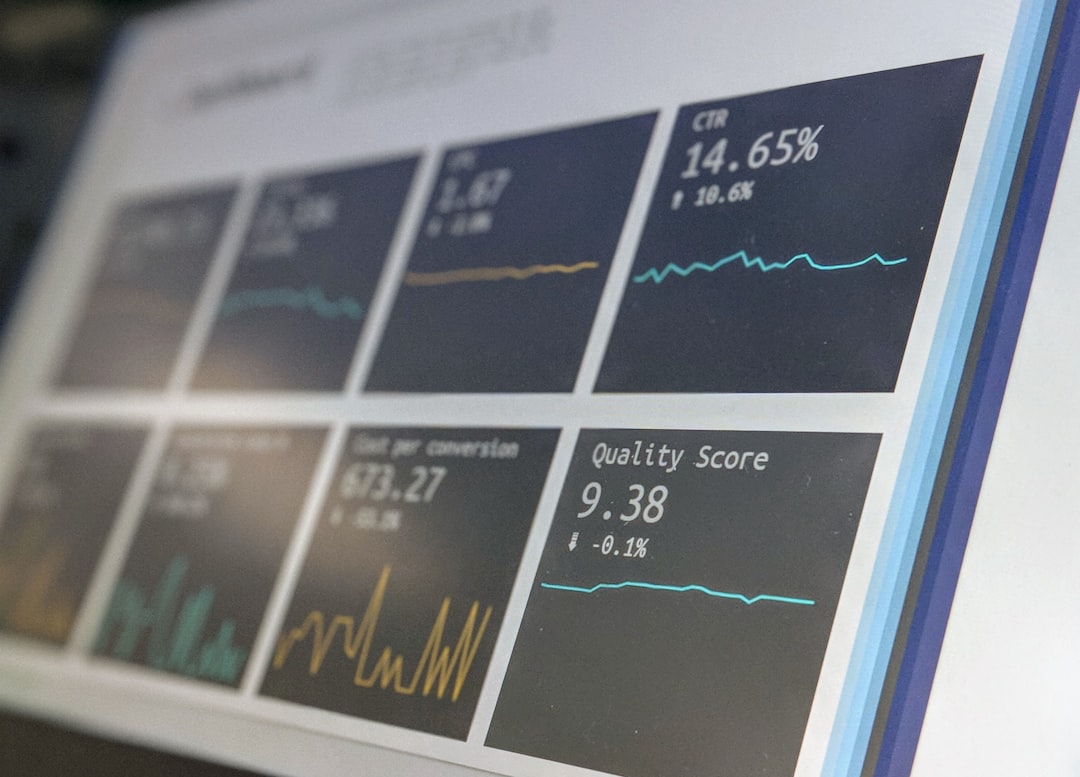
Last-minute stat dives often end in decision paralysis.
Fifteen minutes before a match, multiple tabs run—HLTV match pages, YouTube VODs, team socials, and Discord—while the clock ticks. Choosing a compact, complementary set of sources prevents analysis paralysis and produces defensible pre-match calls: look for reliability, recency, context, and speed. Reliable outlets cut noise; recent matches show current form; context explains why numbers matter; and speed lets quick calls be backed by clear citations.
- Limit to 2–3 complementary sources.
- Use recent data (last 3 months).
- Go to HLTV (aggregates), event pages (lineups), VODs (context).
What match stats cover
Match stats are the numeric records from past games: team results, map-specific records, round-level events and individual player metrics. They turn raw outcomes into signals that support decisions — not guarantees.
Key stat categories and why they matter
- Match outcomes & recent form — ( betting: trend spotting; veto: map confidence ).
- Map-specific winrates — ( veto: pick/ban strategy; betting: value on map lines ).
- Player performance (ADR, K/D, multi-kills) — ( fantasy: player selection; betting: expected impact ).
- Round-level stats (opening duels, round-win %, CT/T sides) — ( veto: side strength; betting: live line movement ).
- Economy & save patterns — ( betting: predict eco-heavy rounds; fantasy: consistency ).
- Utility usage and clutch rates — ( veto: tactical strengths; fantasy: high-ceiling picks ).
- Head-to-head and lineup changes — ( all goals: context for reliability ).
Quick checklist: prioritize map stats first, confirm recent form, then layer player and round metrics for the chosen use (bet, fantasy, veto).
Where to fetch match stats, ranked
Start with a quick scan on which sites publish detailed CS:GO stats and odds; then follow the tiered approach below depending on time and required certainty.
Prioritized sources
- Aggregators (HLTV, scope.gg): fastest way to gauge form, maps, and head-to-heads. Use for a quick pre-match snapshot and spotting obvious mismatches.
- Tournament and match pages (ESL, BLAST, Liquipedia): authoritative for lineups, match times, official VODs and rulings. Use these to verify roster changes, map veto formats, and resolve schedule inconsistencies.
- Demo-focused tools (Leetify, demo parsers like demoinfocs): provide round-by-round and utility-usage detail from GOTV demos. Use when assessing tactics, individual tendencies, or confirming suspicious stats seen on aggregators.
- APIs and data feeds (PandaScore, community HLTV APIs, Steam data): best for automation, backtesting, or cross-checking bulk results. Prefer when programmatic accuracy or reproducibility is required.
- Community sources (Reddit, Twitter, caster notes): useful for last-minute intel—substitute picks, illness, or server problems—but always corroborate on an official page.
Tip: start broad with aggregators, then move to demos or APIs to verify anything that could change a decision.
Quick rubric to vet match‑stat sources
Three concise checks to separate reliable providers from flaky ones. Apply these before trusting stats for betting, fantasy, or veto decisions.
-
Provenance & transparency
Verify the data origin — tournament API, demo parsing, or an aggregator. Prefer sources that publish collection methods, timestamps, and raw match IDs.
-
Freshness & completeness
Confirm update cadence and that per‑round logs, player IDs, and map veto info are available. Stale or partial feeds often hide meaningful variance.
-
Cross‑verification & reproducibility
Spot‑check several matches against tournament pages or demos; ensure match IDs, round scores, and player names align. Persistent discrepancies signal unreliable data.
Match ID and timestamp present and match the tournament page or fixture list.
Compare a few rounds in the stat log with a replay or official map score to confirm round-by-round accuracy.
Watch for impossible values (negative playtime, wildly inconsistent K/D, missing player IDs); these are red flags.
Step-by-step map and pistol checks
-
Scan recent map record
Check the teams’ results on the specific map over the last 6–12 months. Prefer trends supported by at least 8–10 matches; treat extreme percentages from tiny samples as unreliable.
-
Compare side splits and starting side
Look at CT/T win rates and how teams perform when starting on each side — some maps have strong side biases that change veto value and round-progression expectations.
-
Focus on pistol and follow-up rounds
Pull pistol-round conversion %, anti-eco success and the following full-round win rate — a team that wins pistols but fails follow-ups is a fragile edge.
-
Check player-level map form
Spot one or two players who consistently overperform or underperform on the map; absences or role changes often explain quick shifts in map strength.
-
Read bookmaker signals
Notice map-specific handicaps, different map pricing and line movement — bookmakers factor map history into both odds and map-veto expectations, so odd shifts reveal market views.
Aim for meaningful samples. Prefer 8+ matches per map and roughly 30+ pistol rounds before treating percentages as decisive.
Reduce confidence when numbers come from a single event or patch. Discount outlier wins/losses until cross-verified across sources.Metric myths — what misleads pre‑match research
K/D and ADR are useful but lack role context and clutch/impact nuance.
Entry fragging, support damage, and trade patterns change interpretation; complementary metrics (impact rounds, KAST) reveal role value.
Ratings aggregate over time and can mask recent slumps or spikes.
Check time‑windowed splits and last 5–10 maps to capture true form.
H2H can be misleading when maps, rosters, or metas changed.
Use head‑to‑head only when maps and rosters are stable and sample size is reasonable.
Small samples, weak opponents, or favorable brackets often inflate outcomes.
Require cross‑event consistency before upgrading expectations.
Practical heuristics for combining metrics
-
Role adjustment
Interpret stats through role lenses: AWPers, entry fraggers, lurkers and supports produce different profiles; normalize expectations accordingly.
Look forImpact rounds + role‑specific statsAvoidComparing raw K/D across roles -
Recency weighting
Weight the last 5–10 maps more heavily; apply stronger weight for matches in the same patch or meta.
Look forRecent map splits and last month performanceAvoidRelying only on season‑to‑date aggregates -
Sample‑size penalty
Discount metrics from small map samples; use Bayesian shrinkage (pull toward team or league mean) when maps <10.
Look forMap counts ≥10 or confidence intervalsAvoidTreating tiny samples as definitive -
Combine complementary metrics
Cross‑check ADR, KAST, impact rounds and clutch conversion rather than a single number; look for consistent signals across metrics.
Look forAligned signals across 2–3 metricsAvoidOverfitting to one standout stat
Which in-play metrics matter, when momentum counts, and using live feeds
Which in-play metrics matter most?
Primary signals are economy swings (full buys vs ecos), buy types (force, partial, AWP presence), and utility usage. Complement with round length and recent multi-kill patterns — those show tactical success beyond raw score.
When is momentum meaningful?
Momentum matters when it spans multiple full-buy rounds or follows a clear tactical change (timeout, exec, or map control). Short streaks after ecos or random clutches are noisy and need buy-pattern confirmation.
How should bookmaker live feeds be used without falling for latency traps?
Treat live odds as a timing signal and cross-check with independent sources; consult how to use live stats bookmakers for feed behavior. Avoid reacting to single odds spikes — wait for two rounds or clear economic shifts before updating a read.
How to interpret sudden market moves or odds drift?
Odds drift can reflect public money or delayed updates; sudden moves require verification, not instant bets. Consider feed latency and look for matching tactical or economic evidence before adjusting a stance.
Prioritize: economy, buy types, and utility use.
Verify live odds with a second feed. Wait two confirmed rounds or a clear economic shift before acting. Treat small swings as noise unless matched by tactical evidence.Five quick pre-match checks
-
Choose 2–3 trusted sources
Start with one aggregator for a quick overview, one official tournament page to verify lineups and results, and a demo/API or replay site for spot checks. Favor sources with clear timestamps and match IDs to avoid stale data.
-
Confirm map and pistol signals
Check recent head-to-heads and team map win rates, side splits, and pistol-round conversion on the specific map. Flag small-sample maps and recent patch effects that can invalidate older records.
-
Verify player roles and form
Scan for role changes, new AWPers, IGL swaps, and recent subs; focus on last 5–10 maps for form rather than long-term averages. Note players who shift between entry and support roles, as that alters expected impact.
-
Run a quick integrity scan
Look for suspicious patterns: unusual lineup changes, missing demos, abnormally timed withdrawals, and any prior match-fixing flags. Cross-reference with a fixes/patterns guide before treating anomalies as decisive.
-
Compare bookmakers and market movement
Check odds across several bookmakers and note early line moves or large swings; translate odds to implied probabilities to spot value. Treat consistent market confidence and slow, logical adjustments as stronger signals than one-off swings.
Make the pre‑match routine stick
- Limit sources to three trusted feeds and one quick cross‑verification
- Run the five rapid pre‑match checks every time without exception
- Timebox research (5–10 minutes) to avoid overfitting and fatigue
A short, repeatable pre‑match routine turns scattered stats into usable signal. Establishing a checklist — three trusted sources, map/pistol checks, roles, integrity scan, odds — and following it every match reduces mistakes. Timebox the process (five to ten minutes) to prevent overfitting and preserve decision clarity. After matches, record a quick note about what worked and what surprised; small logs compound into better instincts faster than sporadic deep dives.
Relevant news

Can Individual League of Legends Players Be Bet On—and Where to Find Props
For conventional fixed-odds player props, Betsuna, Betfred, Jeffbet, 10bet, BetGoodwin, Quickbet, Quinnbet, DragonBet and Kwiffbet…

How to Spot Match-Fixing Red Flags in Lower-Tier CS:GO Events
A sharp price drop before the match is a symptom, not a verdict. Lower-tier CS:GO…

A Practical Staking Plan for Esports Betting That Handles High Variance
Before choosing any stake size, the bettor needs a separate betting bankroll: a fixed pool…


First Blood Bets in Dota 2: What They Cover and How They Are Settled
First blood is a small event inside a large match, so it can resolve before…

How CS:GO Map Handicap Bets Work and How to Judge Value
Bookmakers present handicap lines as a market product rather than a verbatim probability. Lines embed…

Login
Register